Arriving in the United States in 2026 feels more automated and less forgiving than it did a few years ago. British travellers entering on ESTA will encounter expanded biometric screening, tighter airline checks, and greater reliance on digital access during arrival. Most trips still go smoothly. Problems arise when travellers are unprepared. This guide explains what has changed and how to avoid delays when landing in the USA.
Biometric screening is now routine
Facial recognition is now standard at major US entry airports. Your face is scanned and matched to your passport image during immigration processing.
For most UK passport holders, this replaces some manual checks. When systems work well, queues move faster. When they do not, delays increase quickly.
Expect:
Facial scans at immigration.
Shorter interviews for routine cases.
Longer waits if the system flags inconsistencies.
ESTA checks are stricter before you even fly
ESTA still allows visa-free travel for British citizens. In 2026, airline systems validate ESTA status earlier and more thoroughly.
Airlines cross-check:
Passport details.
Previous travel history.
Overstay records.
If anything does not match, boarding can be delayed or refused.
Check:
Your ESTA is valid for your full stay.
Your passport details match exactly.
You have proof of onward travel.
Secondary screening is more common
Secondary screening is no longer rare. Automation flags more passengers overall.
This may involve:
Additional questions.
Confirmation of accommodation.
Review of travel plans.
Most British travellers clear within an hour. Calm, factual answers matter.
Mobile access is now assumed
Arrival processes assume you can access information on your phone.
You may need to:
Show booking confirmations.
Retrieve ESTA emails.
Use airline apps.
Book onward transport.
Airport WiFi is inconsistent and often slow. UK roaming plans frequently throttle speed or cost more than expected.
Many travellers now use a USA SIM or eSIM that works on landing. A reliable option for UK travellers is a USA SIM or eSIM with unlimited data, which avoids relying on airport WiFi during arrival.
Arrival times are less predictable
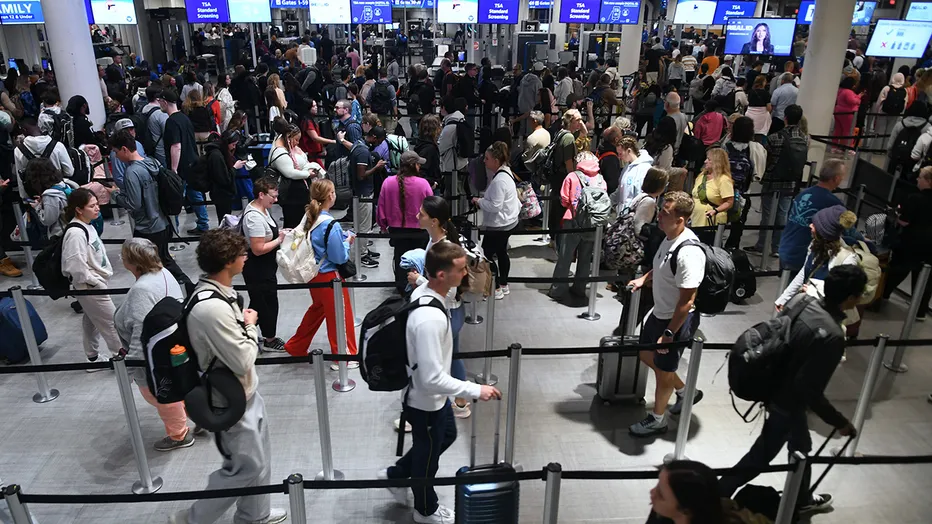
Clearance can take 20 minutes or two hours. Staffing, system load, and arrival waves matter more than before.
Do not book tight domestic connections. Allow at least three hours when transferring.